Thinking about adding an accessory dwelling unit to your South Lamar property? You are not alone. Many 78704 homeowners want flexible space for family, a private guest suite, or steady rental income. In this guide, you will learn the ADU basics for Austin, how South Lamar lots typically affect feasibility, rough timelines, and the smartest next steps. Let’s dive in.
What counts as an ADU in Austin
An accessory dwelling unit is an independent living space on the same lot as your primary home. Common types include:
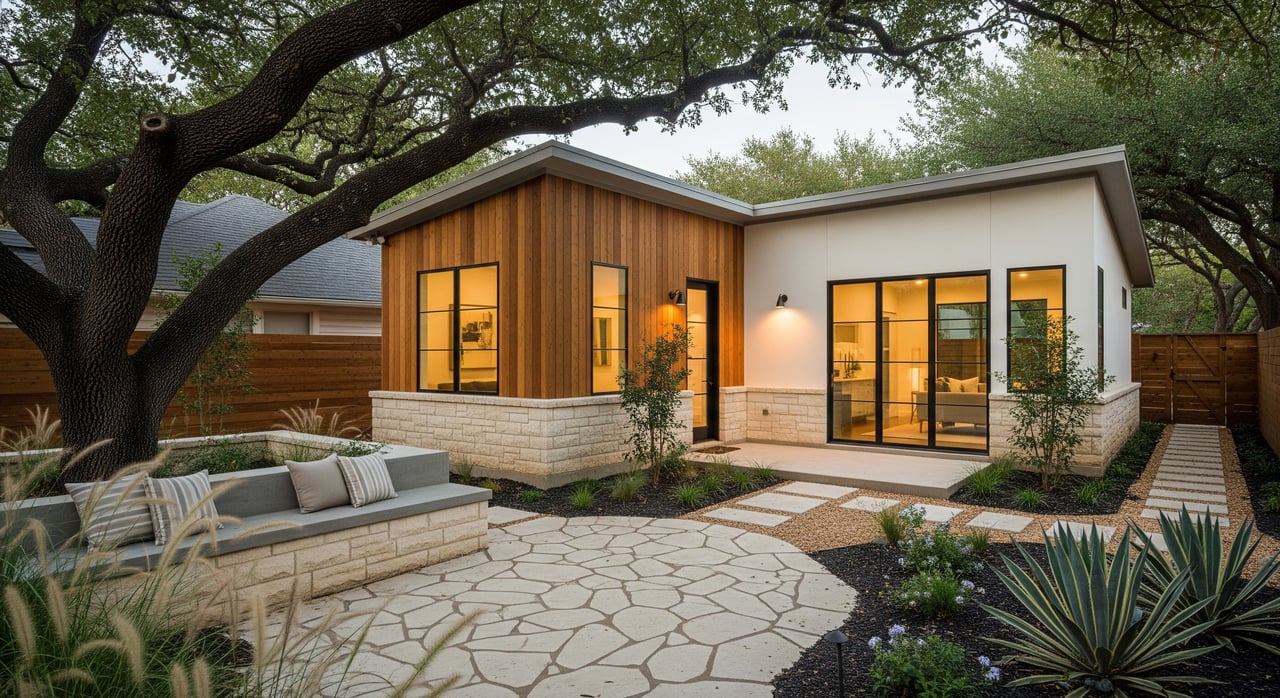
- Detached backyard cottage in the rear yard
- Attached ADU as an addition to the main house
- Garage conversion or an above‑garage unit
- Interior conversion that creates a separate living space
Austin’s rules touch on size, height, setbacks, parking, and utility connections. Details can vary by zoning, overlays, and site conditions. Before you commit, review current guidance with the City’s Development Services team to confirm what your property allows. You can start with the City of Austin’s Development Services Department overview for permits and land use guidance.
- Explore current permit guidance with the City’s Development Services Department: City of Austin Development Services
South Lamar lot realities that shape ADUs
South Lamar blends older bungalows, cottages, and small multiplexes near a busy commercial corridor. Lots are often smaller or narrower than suburban parcels, and many blocks include alleys. These on-the-ground conditions influence what you can build.
- Lot size and shape. Narrow or irregular lots reduce buildable area and can squeeze detached footprints.
- Setbacks and placement. Required front, side, and rear setbacks decide where an ADU can go. Alley access often helps rear placement.
- Trees and protection rules. Mature trees are common and valued. Tree protection can limit foundation locations and utility routes, and may require mitigation.
- Impervious cover and drainage. Your house, driveway, and proposed ADU must fit within impervious cover limits. Some sites need stormwater mitigation.
- Utilities. Water, sewer, and electric proximity matters. Older homes sometimes need panel upgrades or new service lines.
- Overlays and constraints. Properties in historic areas or floodplains face added reviews and design limits. If your home sits near a conservation district or historic resource, build in extra time for approvals.
Quick feasibility checks
Before you sketch floor plans, do a quick scan:
- Pull your lot dimensions and check setbacks and any easements
- Note existing trees and canopy that could affect placement
- Verify alley presence and condition
- Locate your water, sewer, and electric meters and main lines
- Confirm any overlays or floodplain status
A recent survey plus a chat with Development Services can clarify go or no-go factors fast.
Best‑fit ADU options for 78704 homes
Many South Lamar homeowners start with conversions because they use existing structures:
- Interior or partial conversion. Often the fastest path, ideal for a studio or one‑bedroom with a separate entrance.
- Garage conversion. Usually less costly than new construction, though privacy may be limited.
- Detached backyard cottage. Popular for long‑term rental or multigenerational living. Works best on lots with alley access and enough rear yard depth.
If your lot is narrow or heavily treed, an attached ADU or conversion may be more practical than a detached cottage.
Process and timeline you can expect
Your project roadmap will follow a few clear phases. Timelines vary with design complexity, permit queues, and contractor schedules.
Phase 1: Feasibility and pre‑planning, 1–4 weeks
- Verify zoning and ADU allowances for your parcel
- Review lot dimensions, setbacks, easements, and overlays
- Flag tree constraints, utilities, and potential drainage issues
Phase 2: Design and scope, 4–12 weeks
- Choose ADU type and location, sketch layouts and elevations
- Get a preliminary cost estimate
- Prepare construction drawings for permitting
Phase 3: Permitting and approvals, 6–20+ weeks
- Submit building permit and site plan to the City
- Complete reviews for trees, utilities, site development, or historic if applicable
- Respond to revision requests until permits are approved
Phase 4: Construction, 8–36+ weeks
- Prepare site, pour foundation, frame, and connect utilities
- Pass inspections for foundation, framing, mechanical, electrical, plumbing, and final
Phase 5: Closeout, 1–4 weeks
- Final inspections and Certificate of Occupancy or equivalent
- Set up meters or utility accounts if needed
- Update insurance, property records, and any rental registration
Typical total time frames:
- Small conversion or interior ADU: about 3–6 months from design start to completion
- Detached new ADU on a constrained lot: about 6–12+ months from design start to completion
- Complex sites with tree mitigation, historic review, floodplain, or major utility work: can exceed 12 months
Parking, utilities, and rentals in Austin
Understanding a few citywide themes will help you plan well.
- Parking. Many inner neighborhoods have relaxed requirements for ADUs, but exact rules depend on zoning and whether the unit is attached or detached. Alleys and shared driveways are common solutions. Confirm the current standard with Development Services.
- Utilities and metering. ADUs often connect to existing water and sewer lines. Some projects share meters, others add separate service or upgrades. Coordinate early with Austin Water and Austin Energy to understand tap fees and service capacity.
- Rentals. Long‑term leasing is common for ADUs. If you are considering short‑term rental use, Austin has a registration program with rules for occupancy and eligibility. Verify current requirements before planning around STR income.
Helpful references:
- Development and permits overview: City of Austin Development Services
- Water and wastewater service information: Austin Water
- Electric service information: Austin Energy
- Short‑term rental program details: City of Austin STR Program
Costs and key decisions that affect them
Every site and scope is different, but a few choices drive cost and schedule.
- Build type. Conversions usually cost less and finish faster. New detached builds cost more but offer privacy and stronger rental potential.
- Utility work. Extending or upgrading water, sewer, or electric adds time and cost. Panel upgrades on older homes are common.
- Site conditions. Tree protection, grading, and retaining walls can add complexity.
- Finish level. A basic rental finish costs less than a high‑end accessory dwelling.
Expect your assessed value to change after completion. For perspective and to update records, you can review parcel details with the Travis Central Appraisal District: Travis Central Appraisal District.
Design tips for multigenerational living
If your goal is to support family or aging in place, design choices matter.
- Choose a single‑level plan where possible and minimize steps at entries
- Use wider doors and hallways to improve accessibility
- Add storage, in‑unit laundry, and a full kitchen for independence
- Orient doors and windows to maintain privacy between units
- Use landscaping and small courtyards to create separation
How to start your ADU journey
Prep a simple packet before you meet with a designer or builder. You will move faster and get better feedback.
- Current deed and latest survey or a sketch with dimensions
- Photos of your rear yard and any garages or sheds
- Locations of meters and main utility lines if known
- Notes on trees and alley access
- Your budget range and intended use, such as family housing, long‑term rental, or short‑term rental
If your property is in or near a historic overlay, factor in extra review time and design considerations. To learn more about historic review, visit the City’s preservation office: Historic Preservation Office.
Trusted local resources
Use these official sources for current rules and processes.
- Permits, setbacks, and code interpretation: City of Austin Development Services
- Water and wastewater service lines and fees: Austin Water
- Electric service, meter upgrades, and capacity: Austin Energy
- Short‑term rental registration and rules: City of Austin STR Program
- Property records and appraisal info: Travis Central Appraisal District
When you are ready to explore site feasibility, design paths, and lease or management strategy, our team is here to help. From early planning to new construction oversight, leasing, and property management, you get single‑accountability support tailored to South Lamar. If you want a calm, local guide through each step, connect with Sage Space RE.
FAQs
What is an ADU and how is it used in Austin?
- An ADU is a secondary, independent living space on the same lot as a primary home, often used for multigenerational living, guest space, or long‑term rental.
How do South Lamar lot sizes and alleys affect ADU placement?
- Narrow lots and mature trees can limit footprints, while alleys often make rear placement and access easier within setback and parking rules.
What timeline should I expect for a South Lamar ADU?
- Interior conversions often finish in about 3–6 months, while new detached ADUs commonly take 6–12+ months, depending on permits, utilities, and site conditions.
Are short‑term rentals allowed for ADUs in Austin?
- Some ADUs may qualify, but you must follow Austin’s short‑term rental registration and occupancy rules and confirm eligibility before planning around STR income.
Will building an ADU raise my property taxes in Travis County?
- Adding living space typically increases assessed value, which can raise taxes, so review parcel details and guidance with the Travis Central Appraisal District.
What is the least expensive ADU option for a 78704 home?
- Converting existing space, such as a garage or interior area, is usually less costly and faster than a new detached build, though it offers less separation and privacy.