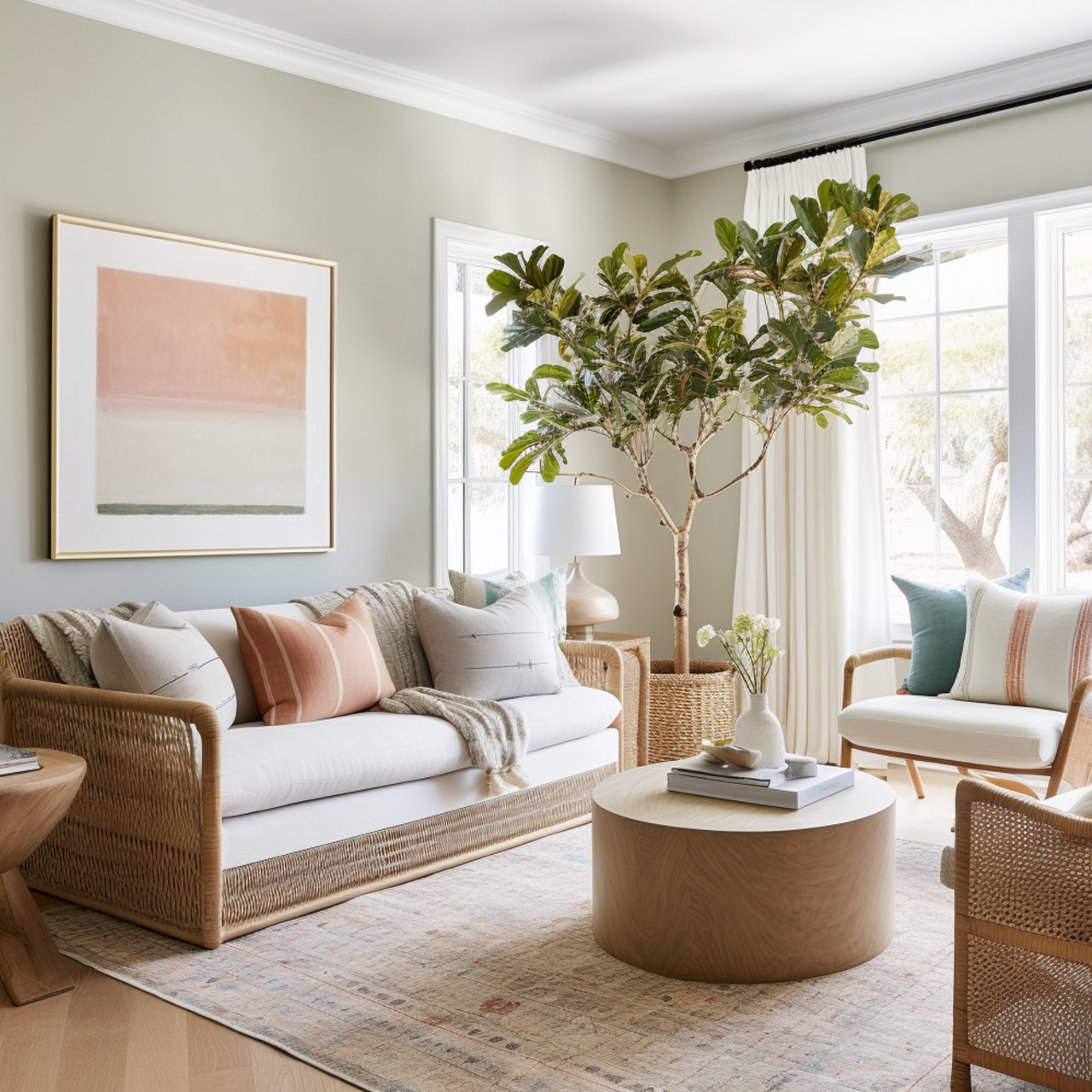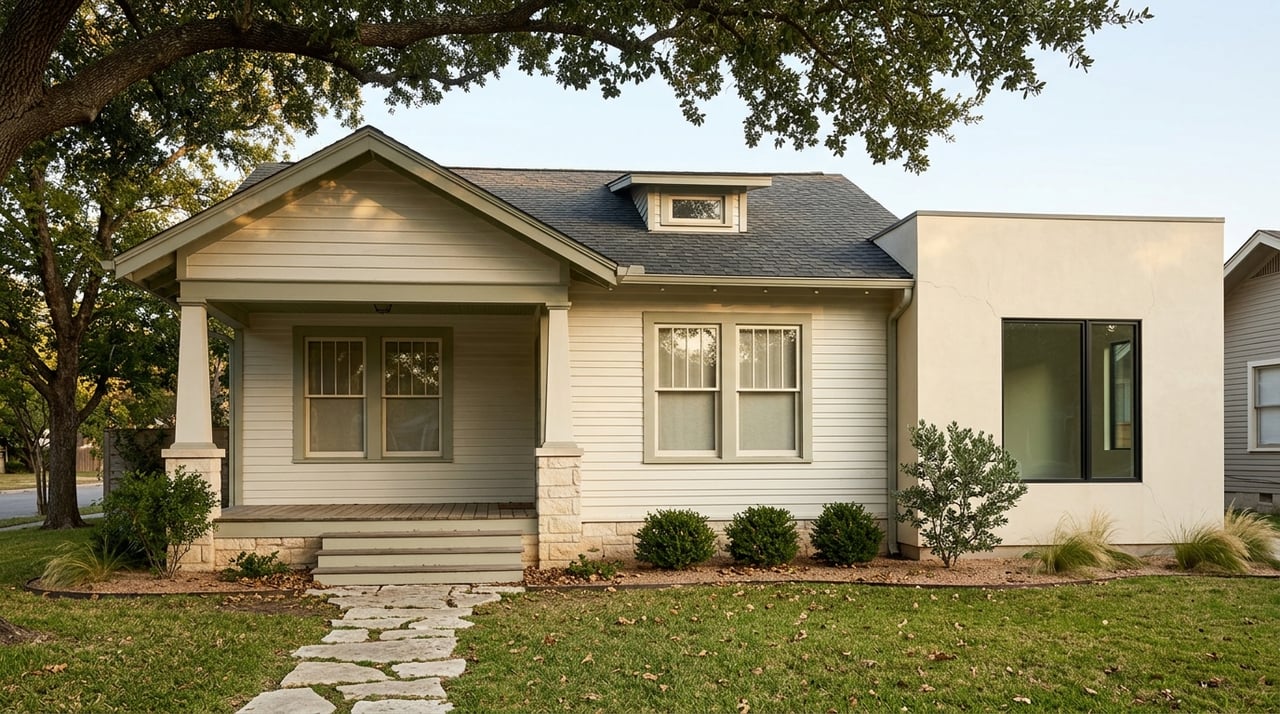
If you are torn between a porch-front bungalow and a sleek updated home in Travis Heights, you are asking the right question. In this neighborhood, the choice is not just about looks. It shapes how you live day to day, how much upkeep you take on, and how flexible the home feels over time. This guide will help you compare both options in a practical way so you can focus on the fit that matters most. Let’s dive in.
Why this choice matters in Travis Heights
Travis Heights is one of Central Austin’s historic neighborhoods, and its setting still influences the buying experience today. Local history describes a pattern of curving and grid streets, large lots, and extensive trees and landscaping, which continues to shape privacy, siting, and the feel of each block.
That setting also creates a wide mix of housing styles. You can find older homes with deep character and smaller footprints, along with newer or heavily remodeled homes that feel much more open inside. Recent market data shows Travis Heights is somewhat competitive, with a median sale price of $893K over the last three months and a median 62 days on market.
What a classic bungalow offers
In Travis Heights, a classic bungalow usually means a one-story or modest-scale home with a front porch and an older layout. City permit materials describe homes here as one-story bungalows on elevated or sloping lots, and that scale is a big part of the neighborhood’s appeal.
For many buyers, the main draw is character. A bungalow often gives you mature trees, porch space, and a stronger connection to the lot and street. It can also place more value on charm and setting than on raw interior square footage.
Bungalow lifestyle benefits
A classic bungalow may be a strong fit if you want a home that feels rooted in the neighborhood’s history. These homes often support a more intimate style of living, with spaces that feel cozy rather than expansive.
You may also enjoy the outdoor experience more than you expect. Individual listings in Travis Heights often highlight live oaks, walkability to South Congress, and access to nearby parks, which reinforces how much the lot and location matter in this part of Austin.
Bungalow tradeoffs to expect
The biggest tradeoff is usually layout and systems. Older homes often have fewer rooms, smaller kitchens, and less flexibility than newer homes. If you need multiple bathrooms, large gathering areas, or easy work-from-home separation, the original footprint may feel limiting.
Maintenance is another key factor. The Department of Energy notes that many older homes have less insulation than homes built today, so it is smart to ask about attic and wall conditions, insulation, and air sealing. If the home was built before 1978, renovation work may also involve lead-safe practices because repair or painting can create dangerous lead dust.
What a modern home offers
Newer and heavily remodeled homes in Travis Heights usually emphasize openness and function. Current new-home listings in the neighborhood range from about 1,099 to 4,933 square feet and often include features like large islands, open-concept living, sliding glass doors, decks, pools, and casitas.
This style tends to appeal to buyers who want a more turnkey interior. If your daily routine depends on larger kitchens, extra bathrooms, or better indoor-outdoor flow, a modern home may line up more naturally with how you live.
Modern lifestyle benefits
A newer or remodeled home can make everyday life feel easier. Open living spaces often work better for cooking, entertaining, and keeping sightlines across the home. Extra baths and more flexible room layouts can also help the house adapt as your needs change.
For buyers who do not want to take on immediate retrofit work, this can be a major advantage. In many cases, a modern home reduces the short-term need to update layout, finishes, or basic comfort features.
Modern tradeoffs to expect
A modern home in Travis Heights is not always simple just because it is newer. City review can still play a major role, especially in areas affected by historic preservation rules. Austin reviews designated historic properties for exterior changes and new construction, and local historic district rules can require review for contributing-property changes and all standalone new construction.
Site conditions matter too. Historic review cases in Travis Heights-Fairview Park show that scale, massing, roof form, compatibility, sloping lots, and heritage-tree root zones can all affect what gets built and how usable the lot feels.
Historic review can affect both options
This is one of the most important parts of the decision. Some Travis Heights properties are affected by historic-preservation rules, which means future exterior changes may not be as simple as they first appear.
If a home is designated historic, exterior changes and new construction require historic review. In a local historic district, contributing-property changes and all standalone new construction require review, while routine maintenance and in-kind repairs are generally exempt.
What that means for you
If you love the idea of expanding a bungalow later, ask early whether the property is contributing or noncontributing and what kind of review might apply. A rear addition or guest house may be possible, but city cases show these projects are evaluated against historic standards.
If you prefer a modern home, do not assume the lot gives you unlimited flexibility. Even newer homes may have been shaped by setback limits, slope, and tree protections, which can affect future changes.
Climate and comfort matter in Austin
Austin’s climate makes home performance especially important. NOAA and the National Weather Service report that Austin Camp Mabry’s newer climate normals are 0.6°F warmer than prior normals, with 11.7 more days per year reaching highs of at least 90°F.
That means comfort is not just about style. The Department of Energy emphasizes air sealing, insulation, efficient windows, and shading as core measures that support comfort and efficiency, especially in homes with more glass or older construction.
Questions to ask about comfort
Whether you are touring a bungalow or a modern home, ask practical questions about the building itself. A beautiful kitchen or charming porch does not tell you how the house performs in August.
Consider asking:
- What year was the home built?
- What insulation or air-sealing work has been done?
- Are the windows original, updated, or energy-efficient?
- How much shade do trees provide during hotter months?
- Does the layout help or fight the way heat moves through the home?
Price is not just about style
In Travis Heights, style alone does not set the price. Current listing data shows the median listing price for both vintage homes and new homes at $995K, even though the visible price ranges vary widely.
Vintage listings shown range from about $875K to $2.4M. New-home listings shown range from about $750K to $4.56M. That spread makes one thing clear: lot size, square footage, renovation depth, and site constraints often matter more than whether a home is labeled bungalow or modern.
How to compare value clearly
When two homes have a similar asking price, compare what you are truly getting. One home may deliver lot character and historic charm, while another delivers larger living areas and fewer near-term upgrades.
A useful way to frame value is to ask what would cost you more to change later. You can sometimes update finishes over time, but you cannot easily create mature trees, reshape a sloping lot, or expand a footprint without cost and possible city review.
How to choose the right fit
The best choice usually comes down to your daily life, not a design label. A bungalow often fits buyers who value porch life, mature trees, and a smaller-scale home and who are comfortable planning for older-home maintenance. A newer or remodeled home often fits buyers who want open space, more baths, and a more turnkey interior.
Before you decide, think about how you actually live from morning to night. Your answer will usually tell you more than style photos ever will.
Choose a bungalow if you value
- Front-porch character
- Mature trees and shade
- A more intimate footprint
- Older architectural details
- A stronger connection to the lot and street
Choose a modern home if you value
- Open-concept living
- Larger kitchens and islands
- Extra bathrooms
- Flexible room layouts
- Lower immediate retrofit burden
Smart questions to ask while touring
If you are comparing homes in Travis Heights, bring a short checklist with you. It will help you stay focused on livability, future costs, and possible restrictions.
Ask these questions during showings:
- What is the year built, and what insulation or air-sealing improvements have been completed?
- Is the home pre-1978, and has any lead-safe renovation work been documented?
- Is the property in a historic district, and would future exterior changes require city review?
- How much of the outdoor space is truly usable after accounting for slope, trees, and setbacks?
- What parts of the home are original, and what parts were added later?
- Does the layout work for your daily routine right now?
In Travis Heights, good buying decisions come from matching the property to your lifestyle and your tolerance for future projects. That is where local context makes a real difference.
If you want help comparing character, condition, and long-term fit in Travis Heights, schedule a neighborhood consultation with Sage Space RE.
FAQs
What is a classic bungalow in Travis Heights?
- In Travis Heights, a classic bungalow is usually a one-story or modest-scale older home with a front porch, smaller footprint, and strong connection to the lot, trees, and street.
Are modern homes in Travis Heights more expensive than bungalows?
- Not always. Current listing data shows median listing prices for both vintage and new homes at $995K, while actual prices vary widely based on lot size, square footage, renovation depth, and site constraints.
Do Travis Heights homes face historic review rules?
- Some do. Designated historic properties require review for exterior changes and new construction, and local historic district rules can require review for contributing-property changes and standalone new construction.
What should buyers ask about older Travis Heights homes?
- Buyers should ask about year built, insulation, air sealing, pre-1978 lead-safe renovation work, original versus added areas, and whether any future exterior changes may need city review.
Why do sloping lots matter in Travis Heights?
- Sloping lots can affect setbacks, buildable area, additions, and how much outdoor space is truly usable, especially when tree protections also apply.
Which home style is better for daily life in Travis Heights?
- A bungalow is often a better fit if you want character, shade, and a smaller-scale home, while a newer or remodeled home is often a better fit if you want openness, flexibility, and a more turnkey interior.