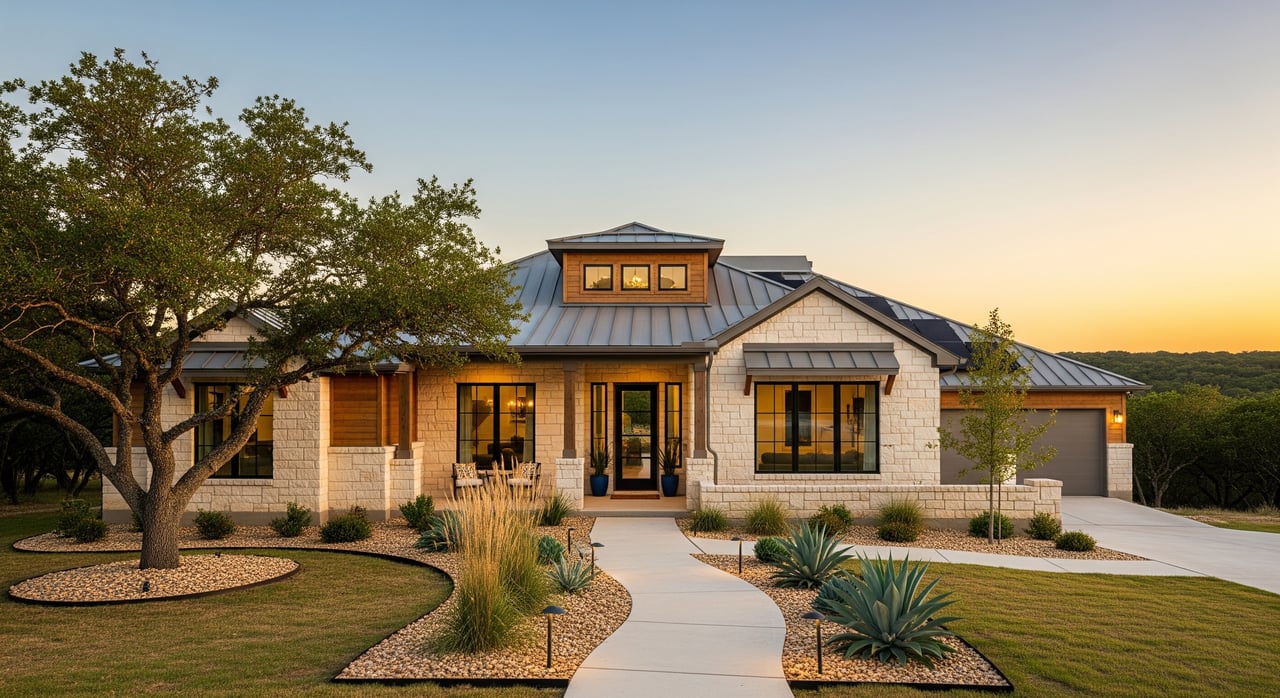
Buying your first home near Cedar Park can feel out of reach if you think you need 20 percent down. The good news is, there are proven programs that can lower your upfront costs and help you qualify with confidence. If you are early in the journey, you may not know where to start or which options apply in Williamson County. This guide breaks down the main programs, eligibility basics, and simple steps to get pre-approved, so you can move forward with clarity. Let’s dive in.
What “first-time” means
Many programs define a first-time buyer as someone who has not owned a principal residence in the past three years. Some programs make exceptions for veterans or targeted areas. Always check the specific program definition before you apply. If you are unsure, a participating lender can confirm how you are classified.
Program options near Cedar Park
Federal loan choices
- FHA loans. FHA-insured mortgages often allow lower down payments and more flexible credit history than conventional loans. You can review FHA basics and find housing counseling through the U.S. Department of Housing and Urban Development.
- VA loans. If you are an eligible veteran, active-duty service member, or qualifying spouse, VA loans offer zero-down financing and no private mortgage insurance. Explore the program through the VA home loan resource.
- USDA loans. USDA Rural Development offers zero-down options in eligible areas with income limits. Parts of Williamson County may not qualify due to suburban density. Always verify the property address using USDA Rural Development’s Texas page.
- Conventional low-down-payment options. Fannie Mae HomeReady and Freddie Mac Home Possible are designed for qualified borrowers who want a smaller down payment. You can learn more at Fannie Mae and Freddie Mac.
Texas statewide help
The Texas Department of Housing and Community Affairs (TDHCA) administers down payment assistance and Mortgage Credit Certificates (MCCs) that work with FHA, VA, USDA, or conventional loans through approved lenders. Many buyers pair a TDHCA option with their primary mortgage to reduce cash needed at closing. Review current offerings and requirements on the TDHCA site.
- Down payment assistance can come as a grant, a deferred second mortgage, or a low-interest second loan.
- An MCC is a federal tax credit tied to a portion of your mortgage interest, which can improve monthly cash flow. It does not replace down payment assistance but may be layered when allowed.
County and city resources
Local programs can open and close based on funding. Williamson County and its housing finance efforts may offer mortgage revenue bond or DPA options at times. Start with the Williamson County site to locate any current county-level resources or housing finance contacts. The City of Cedar Park website provides community resources and can be a helpful referral point, even when the city is not administering a large DPA program.
Nonprofits and employer options
Local nonprofits sometimes offer education, matched savings, or assistance tied to counseling. HUD keeps an updated list of approved counseling agencies, which is a smart starting point for education requirements and budgeting help. Use the HUD website to search for counseling near Austin and Williamson County. Some employers also offer housing benefits or relocation support. Ask your HR team if anything is available.
What assistance looks like
First-time buyer programs usually reduce upfront costs and improve monthly affordability. You will commonly see:
- Grants that are forgivable immediately or after a set period.
- Deferred second mortgages with no payment until you sell or refinance.
- Low-interest second loans that are repayable monthly.
- Mortgage Credit Certificates that provide a federal tax credit.
- Closing-cost help paired with required homebuyer education.
Program structures and amounts vary, and funds can be limited. Confirm the details early in your search.
Eligibility basics to expect
Income and price limits
Most assistance options set household income caps and property price limits that vary by program and county. Limits are updated regularly, so check the current figures with the program administrator or a participating lender.
Primary residence only
These programs are designed for owner-occupants. The home you buy must be your primary residence. Investment properties do not qualify.
Credit and underwriting
Minimum credit scores depend on loan type and lender. FHA options can allow lower scores, while many conventional products look for 620 or higher. Debt-to-income thresholds also vary. Lenders will review both your total debt load and projected housing costs.
Homebuyer education
If you use down payment assistance, you will likely need to complete an approved homebuyer education class. HUD’s counseling search is the best place to find a qualifying course.
Property type and condition
Single-family homes, approved condos, and some manufactured homes can be eligible, but standards apply. Appraisal and property condition requirements are part of most programs.
Residency and citizenship
Programs often require U.S. citizenship or eligible immigration status. Veteran-focused programs follow their own eligibility criteria.
Your 30-day prep plan
Getting pre-approved is the fastest way to shop with confidence. Use this plan to get ready.
Gather documents
Collect the basics before you contact lenders:
- Photo ID and Social Security numbers or ITINs for all borrowers
- Last two years of federal tax returns and W-2s or 1099s
- Most recent 30 to 60 days of pay stubs
- Proof of other income if you will use it
- Last two to three months of bank statements for accounts used in the purchase
- Documentation for gifts or employer assistance
- Statements for assets like 401(k) or brokerage if used as reserves
- Rental history or landlord reference if requested
- A list of debts, including student loans, auto loans, and credit cards
Check your credit
Pull a credit report and review it for errors or unauthorized accounts. If your score is borderline, discuss FHA versus conventional options with a lender. Address collections or late payments early if possible.
Understand your debt-to-income
Lenders will estimate your housing payment and compare it to your income and other debts. Conventional options often prefer lower ratios, while FHA can allow more flexibility in some cases. Your lender will help you model the right range.
Plan your funds
Identify savings for earnest money, down payment, and closing costs. If you will use gift funds, ask about gift letter requirements. Avoid taking on new debt while you are applying.
Take education early
If you plan to use assistance, enroll in an approved homebuyer education course. Certificates are often valid for a year, so it is smart to complete this step early using the HUD counseling resource.
Aim for pre-approval
Pre-qualification is a quick estimate. Pre-approval is stronger because it includes document verification and a credit pull. Many buyers can receive a conditional pre-approval within a few days after submitting documents.
How to confirm programs
- Start with TDHCA to see current statewide down payment assistance and MCC availability. Use the TDHCA homeownership pages to review requirements and find participating lenders.
- If you want zero down with location limits, check addresses on USDA Rural Development’s Texas page before you shop.
- For veterans and active-duty households, learn about entitlement and eligibility on the VA home loan site.
- If you are buying just outside Cedar Park, some neighboring jurisdictions have their own programs. Always confirm the property address within the correct city or county boundary using the Williamson County site or the City of Cedar Park website.
Cedar Park scenarios to explore
- You want a low down payment with broad property choice. Compare FHA and conventional low-down options, and then ask a participating lender if a TDHCA down payment assistance program can layer on top.
- You are eligible for a VA loan. Explore zero down through the VA, and ask whether a state program like an MCC is compatible for added tax benefits.
- You prefer a zero-down rural option. Check if your target address qualifies under USDA’s eligibility maps. If it does, ask about income caps and how a USDA loan fits your budget.
Each scenario depends on your income, credit, and property location. The earlier you verify the rules, the smoother your search will be.
Next steps
Buying with assistance is about planning and timing. Confirm your first-time status, review TDHCA and federal options, and put your document set together. Then compare at least two lenders that actively participate in the programs you want to use.
If you are ready to explore neighborhoods, budgets, and timing in Cedar Park or nearby Hill Country suburbs, connect with a local guide who understands both the market and the process. Schedule a neighborhood consultation with Sage Space RE to map your next steps with clarity and confidence.
FAQs
Can I combine down payment assistance with FHA or VA loans?
- Often yes, but it depends on the assistance program’s rules and the lender’s guidelines. Confirm the pairing with the program administrator and a participating lender.
Do I have to be a first-time buyer for TDHCA help?
- Many programs use the three-year rule for first-time status, and some have exceptions for veterans or specific areas; check the exact definition on the program page and verify with your lender.
Will taking a DPA second loan raise my payment?
- It depends on the structure; grants are typically payment-free, deferred seconds have no payment until you sell or refinance, and low-interest seconds add a monthly payment.
How much assistance can I receive in Williamson County?
- Amounts vary by program and funding cycle, and limits change; consult TDHCA or any county program administrator for current amounts and availability.
What is a Mortgage Credit Certificate and who benefits?
- An MCC is a federal tax credit for a percentage of your mortgage interest, which can improve cash flow for eligible buyers who claim it on their taxes; eligibility and impact vary by household.
How long does pre-approval take for these programs?
- Many buyers receive conditional pre-approval within 1 to 7 days once documents are submitted, while full underwriting and closing timelines depend on the program and lender.