If you love the idea of historic charm, river access, and weekends that do not require a long drive, the stretch between Gruene and downtown New Braunfels deserves a closer look. This part of New Braunfels is not one single neighborhood with hard boundaries. It is better understood as a connected lifestyle corridor where each pocket offers a slightly different daily rhythm. If you are trying to decide where you would feel most at home, this guide will help you understand how the area flows, what makes each micro-area distinct, and what everyday living can look like here. Let’s dive in.
Why this corridor stands out
New Braunfels describes itself as a fast-growing Hill Country community centered on the Comal and Guadalupe Rivers, with a historic downtown, the Gruene Historic District, and dozens of parks. That broader context matters because the space between downtown and Gruene feels connected by design, not accidental. City planning materials point to walkability, neighborhood-scale development, historic preservation, and multimodal transportation as priorities in this part of town.
For you as a buyer or homeowner, that means this corridor offers more than a pin on a map. It offers a way of living where local errands, outdoor time, dining, and entertainment can sit closer together than they do in many suburban areas. You still need to account for visitor traffic and busier weekends, but the tradeoff is access to some of New Braunfels’ most recognizable destinations.
Four micro-areas to know
Rather than treating this whole stretch as one place, it helps to think about it in four micro-areas. Each one has its own feel, and your best fit depends on whether you care most about walkability, outdoor access, historic character, or a little more breathing room.
Downtown core
Downtown New Braunfels is the civic and entertainment heart of the city. Official city materials describe it as a place with historic charm and lively small-town energy, anchored by Main Plaza and supported by boutiques, cafés, art galleries, and music venues. It is active, social, and woven into the city’s event life.
If you want to be close to community events, local businesses, and a traditional town center, downtown gives you that experience. It feels more like a destination district than a quiet residential pocket, which can be a plus if you enjoy energy and convenience. The tradeoff is that access and parking take a bit more planning during busier times.
River-adjacent blocks near Landa Park
The area near the Comal access points and Landa Park brings outdoor living into your daily routine. Landa Park spans 51 acres and includes trails, playgrounds, an amphitheater, an arboretum, the Wurstfest grounds, and the headwaters of the Comal Springs and Comal River. The city also notes that Landa Park sits within walking distance of historic downtown.
This pocket can appeal to you if your ideal week includes park walks, river time, and easy access to open space without feeling removed from town. The nearby river access parks reinforce that outdoor lifestyle. Comal River access parks are open daily from 6 a.m. to midnight, which gives the area a strong recreation-focused identity.
Common Street and Gruene Road corridor
Between downtown and Gruene, the Common Street and Gruene Road corridor acts as a transition zone. City development materials describe this area as a commercial corridor with retail, office uses, a hospital campus, hotels, and nearby residential neighborhoods. The same planning vision points toward mixed-use infill, pedestrian and biking connections, and the possibility of additional townhomes or condominiums.
For you, this means the middle of the corridor may feel the most practical and flexible. It is less tied to a single identity than downtown or Gruene, and that can be a benefit if you want connectivity to both. It is a useful area to watch if you like the idea of convenience, evolving housing options, and easier movement between major destinations.
Gruene Historic District
Gruene is the corridor’s most tourism-shaped and music-centered anchor. The official district is described as 15 walkable acres where you can shop, dine, and enjoy preserved historic buildings. Gruene Hall, built in 1878, is presented as Texas’ oldest continually operating dance hall and hosts live music every day.
Living near Gruene can feel especially appealing if you want a strong sense of place and easy access to dining, shopping, and live entertainment. Market Days also bring nearly 100 artisans and free live entertainment on select weekends. Like downtown, Gruene offers a memorable lifestyle, but one that comes with peak-time traffic and parking considerations.
What everyday livability looks like
One of the biggest strengths of this corridor is that it supports daily life in layers. You are not choosing only between residential streets and a commercial district. You are choosing how close you want to be to parks, rivers, local businesses, and historic destinations that shape the area’s identity.
City transportation planning reinforces that connected feel. New Braunfels specifically targets pedestrian and bicycle improvements that link neighborhoods, river recreation, businesses, and Gruene. Sidewalk-gap completion, bike lanes, and safer crossings on Gruene Road all support the idea that this corridor is intended to function as a connected part of the city, not just a drive-through route.
That planning context matters because it affects how a place feels over time. If you value being able to walk more, bike more, or simply move between destinations with less friction, this corridor has a stronger foundation for that than many growth areas do.
Historic character shapes the housing feel
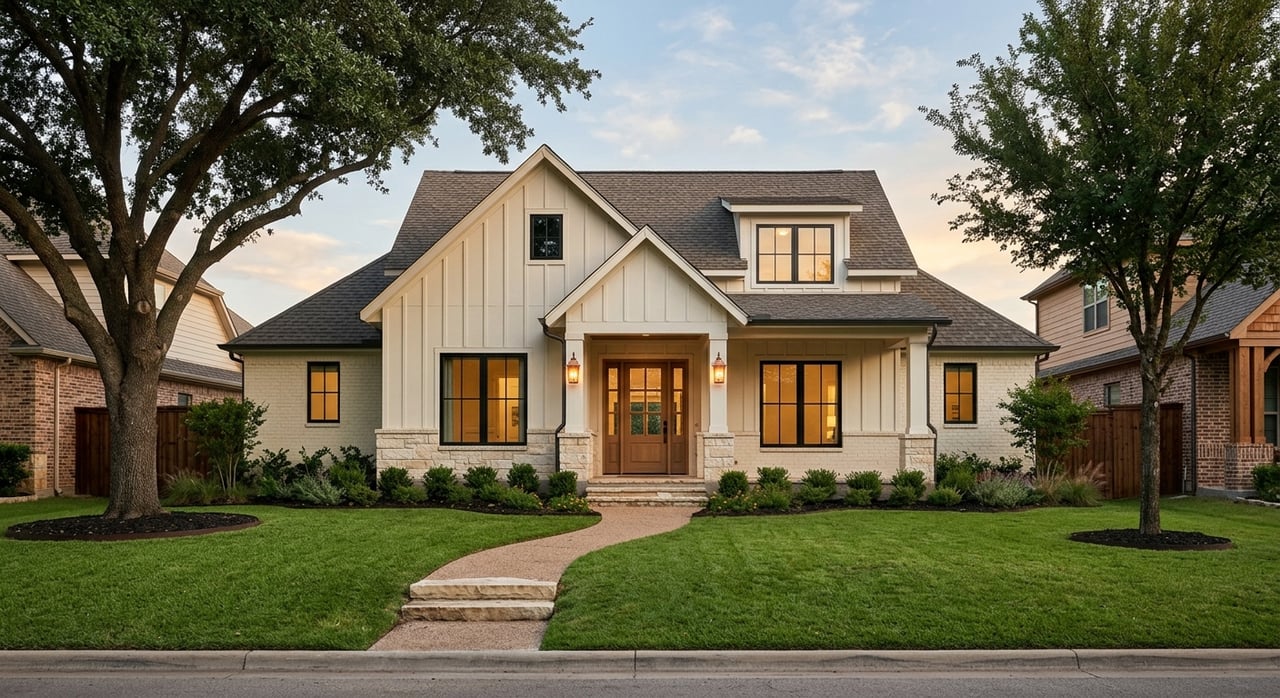
The housing character between downtown and Gruene is influenced by New Braunfels’ original town plan and preservation efforts. The city’s historic district materials note a mix of German-Texas Vernacular homes, Craftsman bungalows, Victorian-era dwellings, Tudor examples, and fachwerk structures in and around the historic fabric. Gruene’s preserved buildings from the late 1800s and early 1900s add another layer of architectural identity.
That does not mean every home in the corridor is historic. It does mean the area tends to feel visually rooted, with older patterns of streets, buildings, and land use still shaping the experience. If you are drawn to places with texture and story, that is part of what makes this stretch feel different from a newer master-planned area.
In the transitional middle corridor, the housing conversation may include more infill and mixed-use possibilities over time. That could create a broader range of living options for buyers who want a lower-maintenance setup or a location close to services and activity. For lifestyle buyers, that flexibility can be a major advantage.
A realistic note on parking and peak times
It is important to understand that convenience here is real, but it is not effortless at every hour. Downtown New Braunfels offers 1,080 free parking spaces and 256 paid public spaces. In paid areas, the first hour is free, then rates are $2 per additional hour with a $10 daily maximum.
That tells you something important about the downtown experience. It remains accessible, but on busy days you may need to plan a bit more than you would in a quieter residential pocket. River parks also use paid parking, and Gruene uses a complimentary shuttle on select days from a lot across from Rockin’ R River Rides to the Gristmill area.
For many buyers, this is not a drawback so much as part of the tradeoff. You get a compact, active, high-amenity environment, and with that comes visitor traffic during peak weekends, events, and river season. The key is deciding whether that energy fits the life you want.
Who this area fits best
This corridor can be a strong match if you want your home base to feel connected to local character and recreation. It especially suits buyers who value a mix of:
- Historic surroundings
- Walkable destinations
- River and park access
- Dining and live music nearby
- A more connected, less isolated daily routine
It may be less ideal if you want a very quiet environment with little visitor activity. Because downtown, river parks, and Gruene all draw people, the area naturally has more movement than a purely residential part of town. That is why choosing the right micro-area matters so much.
How to narrow your search
If you are comparing homes in this part of New Braunfels, it helps to focus on lifestyle patterns first and square footage second. Ask yourself:
- Do you want to walk to shops, dining, or events?
- Would you use Landa Park or river access regularly?
- Are you comfortable with busier weekends in exchange for location?
- Do you prefer a historic setting or a more transitional area with future growth potential?
- How important is quick access to both downtown and Gruene?
Those questions often reveal more than a map search does. In a corridor like this, a home’s fit depends heavily on how you plan to live day to day.
If you are buying or selling in New Braunfels, local guidance matters because this area is nuanced. The difference between being near the action and in the middle of it can change your experience quite a bit. A thoughtful neighborhood-level approach can help you match the property to the lifestyle, not just the listing photos.
Whether you are looking for a home near downtown energy, close to river recreation, or in the connective space between the two, Sage Space RE can help you evaluate the micro-areas, timing, and fit with a calm, local-first approach.
FAQs
What is the area between Gruene and downtown New Braunfels like?
- It is best understood as a connected lifestyle corridor made up of several micro-areas, including downtown, river-adjacent blocks near Landa Park, the Common Street and Gruene Road corridor, and Gruene itself.
Is downtown New Braunfels walkable for daily activities?
- Downtown is framed by the city as an active district with boutiques, cafés, art galleries, music venues, and Main Plaza, so it offers a walkable setting for errands, dining, and events.
What makes Gruene different from downtown New Braunfels?
- Gruene is more centered on historic buildings, shopping, dining, live music, and Market Days, while downtown serves as a broader civic and entertainment core.
How close is Landa Park to downtown New Braunfels?
- The city states that Landa Park is within walking distance of historic downtown, which helps connect park access with the downtown experience.
Are there transportation improvements between downtown and Gruene?
- Yes. City transportation planning includes pedestrian and bicycle improvements such as sidewalk-gap completion, bike lanes, and safer crossings on Gruene Road to better connect neighborhoods, businesses, river recreation, and Gruene.