Want to step out your front door, grab coffee, and hit a leafy trail without starting the car? If you’re weighing a move to Austin and crave a lifestyle built around walking, South Lamar offers one of the strongest blends of convenience and character in the city. You’ll find daily essentials, vibrant food and nightlife, and direct access to beloved parks all within a compact footprint. This guide shows you what walkable living actually looks like here, the trade-offs to expect, and how to choose the right block for your routine. Let’s dive in.
What “walkable South Lamar” really means
South Lamar centers on S. Lamar Boulevard in Austin’s 78704, just south of Lady Bird Lake and near Zilker Park and Barton Springs Pool. The boulevard acts as a mixed-use spine with mid-rise apartments and condos above retail, plus a steady run of cafés, restaurants, and bars. A block or two off the corridor, you’ll find quieter residential streets with bungalows, duplexes, and small multi-family buildings.
Walkability is strongest close to the commercial stretch. Short block lengths, frequent storefronts, and regular crosswalks make it easy to run quick errands or meet friends on foot. As you move deeper into residential pockets, sidewalk coverage becomes more variable, which means your exact address matters.
A day on foot: a realistic routine
Picture living within five blocks of S. Lamar. Your morning starts with a short walk to a café for coffee and a pastry. On the way home, you stop by a small market for a few groceries. Midday, you take a brisk walk or bike ride to the Ann and Roy Butler Hike-and-Bike Trail by Lady Bird Lake, or you wander through Zilker Park for fresh air.
In the afternoon, you drop off dry cleaning, pick up a prescription, and schedule a dentist appointment along the corridor. Dinner is an easy choice. With a dense mix of restaurants and late-night spots, you can meet friends without dealing with parking. Most of these trips take 5 to 15 minutes on foot.
Getting around without a car
Walking
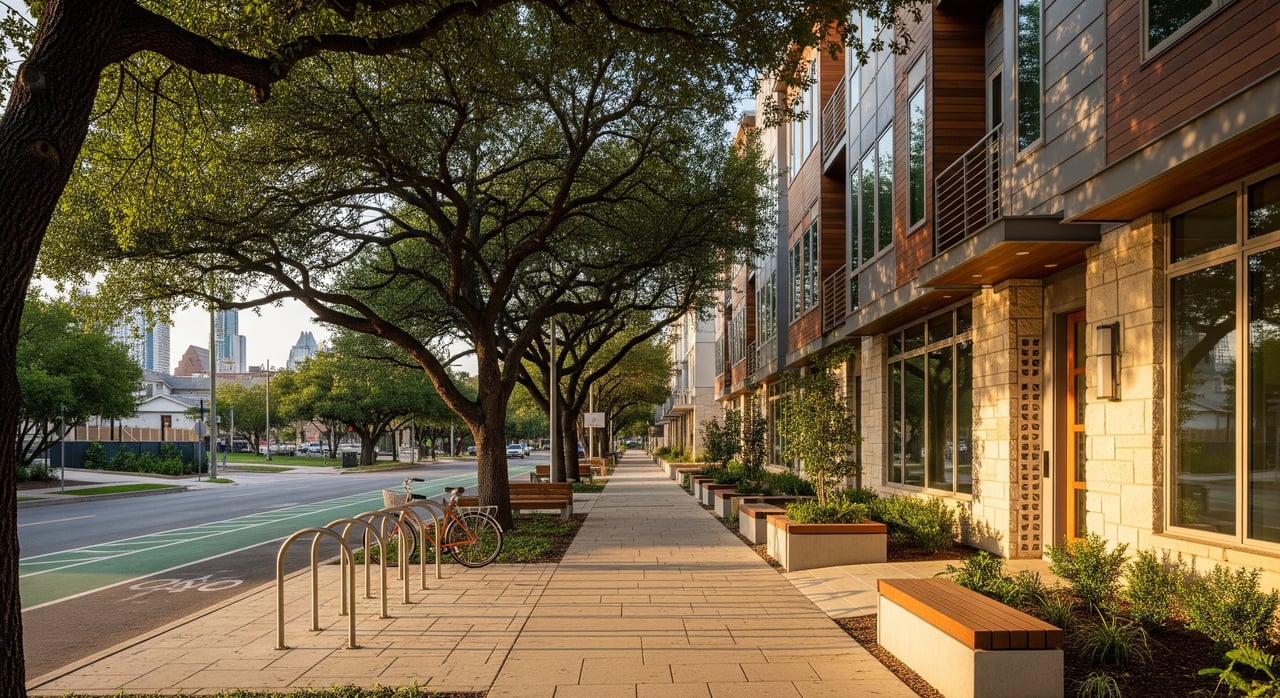
Along S. Lamar, sidewalks are generally present and crosswalks cluster at main intersections. Near retail nodes, you’ll see mid-block crossings and pedestrian upgrades that make strolling feel natural. On residential side streets, sidewalks can be hit or miss, so it helps to test your exact walking routes.
Biking and micromobility
South Lamar ties into Austin’s bike network, including painted and some protected lanes in the area. You can bike to downtown and adjacent neighborhoods or connect to the lakefront trail. Scooter and bike-share options are common across central Austin, which can close the gap to transit stops or get you home after dinner.
Transit
Capital Metro runs bus service along major corridors, including South Lamar, with connections to downtown and other core districts. Peak-commute periods tend to be the most reliable for car-free trips. Off-peak service may be less frequent, so it is smart to check schedules and try your typical route at different times.
Parking and car use
You can reduce daily driving when you live here, especially for coffee, dining, fitness, and smaller errands. Many residents still keep a car for bigger grocery runs, weekend trips, or specialized shopping. Parking along the strip can be tight during evenings, weekends, and festival seasons, which is another reason walkability pays off.
Everyday essentials within easy reach
Coffee, dining, and nightlife
If you love short walks to a quality cup of coffee or a casual dinner, you’ll feel at home. The corridor hosts a dense variety of cafés, restaurants, and bars. It is easy to plan a week’s worth of social plans without leaving the neighborhood.
Groceries and quick shopping
You’ll typically find small-format markets and convenience options within walking distance for daily staples. For a larger grocery haul, you may lean on a short transit ride or quick drive depending on where you live along the corridor. Delivery can also fill the gap for bulk items.
Services and health
Banking, dry cleaning, salons, fitness, and smaller retail are common on or near S. Lamar. Clinics and dentists are typically located along main corridors or in nearby neighborhoods. Major hospitals are reachable by transit or car.
Parks and outdoor life
Access to Zilker Park and the Lady Bird Lake trail is a major perk. Walk or bike to run, paddle, or bring the dog, then head back for a late brunch. Smaller parks and pocket greens are interwoven into the residential fabric for quick playtime or a quiet breather.
Families and school needs
If you have kids, walkability depends on where your childcare or school is located. Some families can walk to nearby daycares or elementary options, while others rely on a short drive or transit. Playgrounds and park space are close for weekend fun, but school location often determines daily transportation patterns.
Housing choices that support walkability
South Lamar’s housing mix includes older bungalows and cottages, duplexes and four-plexes, garden-style apartments, and newer mid-rise condos and apartments concentrated along the boulevard. If your goal is car-light living, properties on or near the commercial spine tend to offer the closest access to amenities.
Central 78704 is one of Austin’s more competitive markets. You will likely pay a premium compared with outlying areas. Many buyers and renters weigh that cost against saved time, fewer car trips, and the lifestyle benefits that come with park access and a stronger neighborhood experience.
Micro-neighborhood differences by block
Two streets can feel very different. A unit above the corridor may give you a one-minute walk to dining and transit, plus lively street activity most evenings. A home two to three blocks away may offer quieter nights and more privacy, but the sidewalk network might be less continuous.
Key takeaway: your daily routes should shape your home search. Test the exact walk to your favorite park entrance, your go-to café, and a transit stop at the times you expect to travel.
Limitations to plan around
- Sidewalk coverage varies on residential streets. If a continuous sidewalk matters to you, check your favored route before making a decision.
- Off-peak transit frequency is lower than during commute hours. Time your route both weekdays and weekends.
- Grocery runs for bulky items are easier by car or delivery. Many households combine a car-light weekday routine with occasional weekend drives.
- Construction and redevelopment can temporarily affect sidewalk continuity and add noise. Expect periodic changes along the corridor.
Event seasons and crowd patterns
Zilker Park events, including major festivals, bring a surge of energy. They also increase pedestrian traffic, rideshare demand, and parking pressure, especially on weekends. If you enjoy the buzz, you will love these periods. If you prefer calm, plan errands earlier in the day, use micromobility to bypass congestion, and consider a grocery delivery during peak festival weekends.
How to pick the most walkable address for you
Use these quick steps to evaluate a specific home:
- Map your 10 to 15-minute radius. List the café, small market, pharmacy, fitness spot, and park entrance you want to reach without a car.
- Walk it twice. Try a weekday evening and a weekend morning to check lighting, crossings, and crowd levels.
- Test transit door to door. Include wait time and transfers for your typical commute or night out.
- Scout bike connections. Confirm where lanes are present and how you reach the lakefront trail.
- Note sidewalk quality. Look for continuous paths, crosswalk signals, and comfortable buffers along busier segments.
- Plan for groceries. Identify how you will handle a larger shop: car, transit plus a backpack, or delivery.
- Check event impacts. If you are near Zilker Park, see how the neighborhood flows during festival weekends.
Where Sage Space RE fits in
You deserve a home that matches how you actually live. Our team pairs neighborhood-level insight in South Lamar, Travis Heights, and Bouldin with practical guidance on daily-life details like walk routes, transit options, and park access. We help you compare buildings on the corridor versus quieter side streets, weigh cost against convenience, and choose the block that supports your routine.
Sage Space Real Estate offers buyer and seller representation, leasing and tenant placement, property management, staging and listing prep, new construction oversight, and investor advisory. Whether you are renting first to test the area or buying for long-term comfort, we align your plan with the lifestyle you want.
If you are exploring a move to South Lamar or want to optimize your walkable lifestyle, connect with us for a personalized neighborhood session. We will map your daily routes, share on-the-ground observations, and identify the homes that fit. Ready to start? Schedule a neighborhood consultation with Sage Space RE.
FAQs
Is South Lamar walkable for daily errands?
- Many residents can walk to coffee, dining, fitness, and smaller errands along S. Lamar. The best walkability is within a few blocks of the boulevard and near trail access points.
Can I live in South Lamar without a car?
- You can often minimize car use with walking, biking, transit, and micromobility. Many households still keep a car for larger grocery runs, family needs, or regional trips.
What parks and trails can I reach on foot?
- Zilker Park, Barton Springs Pool, and the Ann and Roy Butler Hike-and-Bike Trail at Lady Bird Lake are walkable or bikeable from much of South Lamar.
Which housing types support a car-light lifestyle here?
- Mid-rise apartments and condos along S. Lamar, plus smaller multi-family buildings, generally offer the shortest walks to amenities. Bungalows and small-lot homes a few blocks away can also work if you like a quieter setting.
What are the biggest limitations to walkability in South Lamar?
- Variable sidewalk coverage on side streets, lower off-peak transit frequency, and the need for a car or delivery for bulky shopping are common constraints.
How do big events affect daily life?
- Festival seasons near Zilker bring vibrant street activity and higher traffic. Plan errands earlier, use micromobility to avoid congestion, and consider delivery for heavy items during peak weekends.