Love the idea of a porch-front bungalow a short stroll from South Congress, but not sure what to expect from an older Bouldin home? You’re not alone. These houses deliver character and location, and they also come with age-related details you should understand before you buy. In this guide, you’ll learn what makes older Bouldin homes special, the common systems to check, how to plan inspections, and which permits may apply. Let’s dive in.
Why older Bouldin homes stand out
Bouldin sits just south of Lady Bird Lake with compact, walkable streets and a dense tree canopy. Much of the neighborhood’s housing stock dates to the early 20th century, with growth in the 1920s and 1930s, plus midcentury ranches and newer infill behind and beside original cottages. You will often see historic fabric right next to modern builds. For an architectural snapshot of how South Austin evolved, the SAH Archipedia overview of South Austin architecture is a useful read.
The City adopted the Bouldin Creek Neighborhood Plan in 2002, and there is active conversation around land use and historic resources. Parts of the neighborhood have surveyed historic properties. Exterior work on designated landmarks or contributing structures can trigger design review. You can confirm plan documents, overlays, and permit history through the City of Austin Neighborhood Plans page.
Character features buyers love
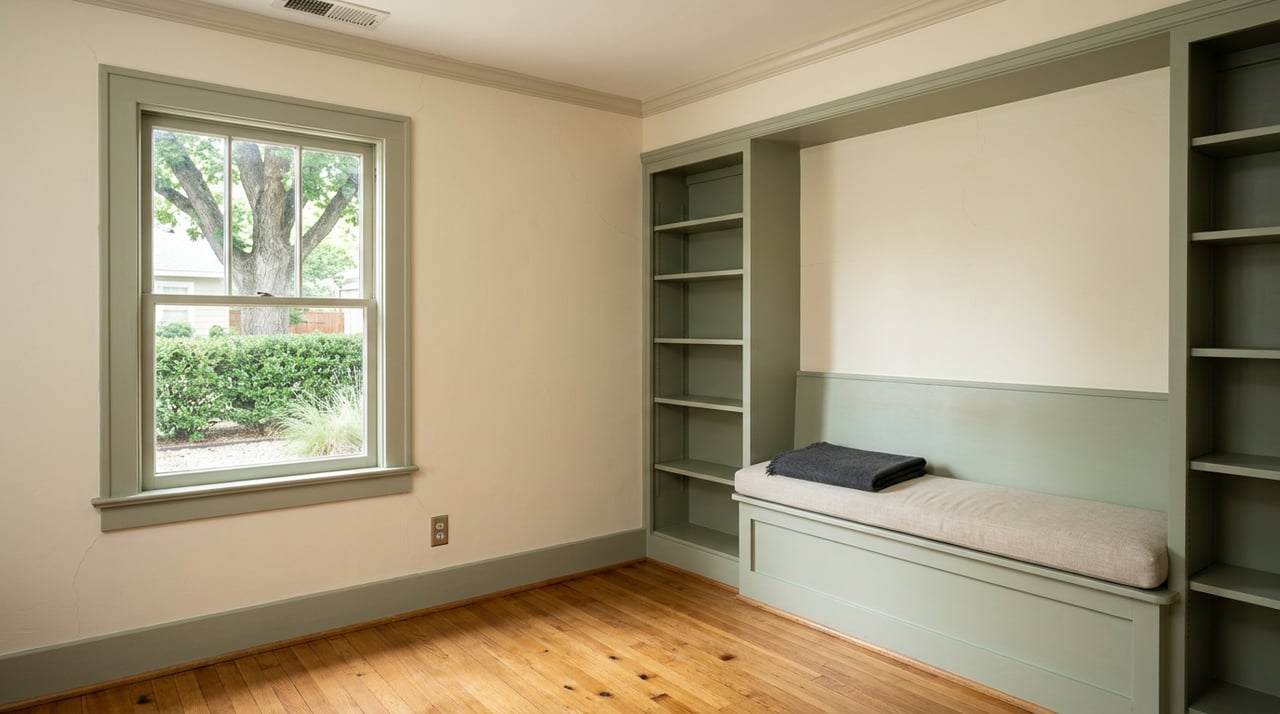
Older Bouldin homes often showcase low to medium gabled roofs, covered front porches, original hardwood floors, wood siding or brick veneer, and single-pane wood windows. Many have modest floor plans with tall ceilings that amplify natural light. These details are the “character” elements buyers prize and often choose to preserve.
A common modernization approach is to keep original interior finishes while upgrading aging systems like HVAC, electrical, and plumbing. Many owners update kitchens and baths or add a rear addition for more space, while leaving the street-facing façade intact to maintain curb appeal.
Age-related issues to expect
Older homes last because they were well crafted and cared for, but Austin’s soils, climate, and building eras come with recurring themes. Plan to investigate the items below during your option period.
Foundation and soils
Central Austin’s clay soils expand and contract with seasonal moisture changes. That movement can show up as wall or brick cracks, sticking doors and windows, or uneven floors. Early houses may sit on pier-and-beam foundations, while later work might be on slab. If your inspector notes movement, schedule a specialist. A local foundation inspection in Austin can help identify cause, scope, and next steps. Typical repairs range from the low thousands to the tens of thousands of dollars depending on severity and method, according to local slab repair contractors.
Flooding and drainage
East Bouldin Creek and the Lady Bird Lake watershed influence parts of the neighborhood. City planning materials and staff reports note that some areas fall within mapped 25- and 100-year floodplains and Critical Water Quality Zones. You should verify a property’s status via the City and check FEMA maps. The City’s recent planning documents reference these conditions, and you can see examples in a staff report discussing nearby floodplain and CWQZ. Confirm parcel-level mapping at the FEMA Flood Map Service Center. If the house is in or near a floodplain, ask for any elevation certificate and an insurance quote early.
Termites and wood-destroying insects
Texas has active subterranean and drywood termite populations, and WDI reports are standard in Austin transactions. Make a licensed inspector’s Wood Destroying Insect report part of your due diligence and follow any treatment recommendations. The Texas Department of Agriculture outlines official forms and licensing.
Electrical systems
Older Bouldin houses may include undersized electrical service, two-prong (ungrounded) outlets, cloth-insulated wiring, knob-and-tube remnants, or older breaker panels. These factors can affect safety, insurance, and your ability to add modern loads. Have a licensed electrician assess panel capacity, grounding, and any obsolete components. For background on common old-house wiring issues, see this technical overview of old electrical systems.
Plumbing and sewer lines
Expect a mix of original and updated materials. Older galvanized supply lines can corrode, reducing pressure. In-slab cast-iron or clay sewer laterals can shift or crack with soil movement. A sewer-scope camera inspection is a smart add-on for older homes. Ask about visible corrosion, water heater age, and any leak or re-pipe permits.
HVAC and energy
Many older Bouldin homes began with small or outdated HVAC and limited insulation. Common upgrades include higher-efficiency HVAC, attic insulation, duct sealing, and selective window strategies that respect historic character. An energy audit can help you prioritize where to invest for comfort and lower bills.
Lead paint and asbestos
If a home was built before 1978, assume lead-based paint may be present. The EPA’s Renovation, Repair, and Painting rules require certified firms and lead-safe practices when disturbing paint during projects like window replacement or interior demo. Review the EPA’s RRP guidance for contractors and homeowners. Some midcentury materials may also contain asbestos, such as old vinyl tile or pipe wrap. Leave intact materials undisturbed and consult licensed professionals if renovation will disturb them.
Permits and historic review
Exterior changes to locally designated landmarks or properties within local historic districts can require review by the City’s Historic Preservation Office and the Historic Landmark Commission. Check for local historic zoning overlays and request permit history before you commit to major exterior work. Start your due diligence on the City of Austin Neighborhood Plans page.
Smart inspection plan
Ordering the right inspections early can reduce surprises and improve your negotiating position. Use this as a starting checklist and tailor it to the home.
What to order
- Full TREC-standard home inspection by a licensed inspector. Ask for scope, sample reports, and turnaround time. Here’s context on licensing and standards from a local firm’s primer on TREC and TDA credentials.
- Wood Destroying Insect (WDI) inspection using the official TDA form. Confirm active vs prior activity, conducive conditions, and treatment plan.
- Foundation evaluation by a contractor or structural engineer if your inspector notes movement. Request a written opinion with cause, urgency, and cost range.
- Sewer-scope camera inspection for older or unknown sewer laterals.
- Electrical evaluation by a licensed electrician for service size, grounding, panel brand, and old wiring types.
- HVAC evaluation for system age, duct condition, and capacity. Consider an energy audit if comfort and efficiency are priorities.
- Roof inspection for age, remaining life, and past leak evidence.
- Lead and asbestos testing if renovation plans will disturb suspect materials.
Questions to ask specialists
- Home inspector: “Please highlight any active structural movement, crawlspace or attic access limits, and which specialist inspections you recommend before I remove contingencies.”
- Foundation specialist or engineer: “What foundation type is present, what evidence of movement do you see, what monitoring or repairs do you recommend, and what is a conservative cost range and timeline?”
- Electrician: “What is the service amperage and panel brand and age, are there any unsafe wiring types present, and will insurance likely require upgrades? Please include a written scope and estimate.”
- WDI inspector: “Please use the official TDA WDI form and identify active vs prior infestations, any structural damage, and treatment options with warranties.”
- Lead and asbestos testers: “Which materials should be prioritized for sampling based on my renovation plan, and what are the abatement or encapsulation options if positive?”
Permits and documentation to request
- City permit history for electrical, plumbing, HVAC, structural work, and any additions.
- Invoices and warranties for major items such as foundation piers, roof replacement, rewiring, re-piping, and HVAC.
- Prior WDI reports and treatment warranties.
- Any historic designation, H-zoning case files, or letters from Historic Landmark Commission review.
Preserve character, plan smart upgrades
You can keep the curb appeal you fell in love with and still modernize for comfort and safety. A practical approach looks like this:
- Keep street-facing features such as the front porch, original trim, and wood windows where feasible. Repair is often possible and preserves neighborhood character.
- Focus early dollars on safety and structure: electrical, plumbing, foundation, and roof. These systems carry the most risk if deferred.
- Improve comfort with targeted energy upgrades such as attic insulation and duct sealing. Consider interior storm windows or selective replacements that match historic profiles.
- If you plan a larger project, confirm whether historic review applies and build in time for permits. Lead-safe and asbestos-safe practices are nonnegotiable in pre-1978 homes.
- Document everything. Permits and warranties add real value at resale.
Local resources to bookmark
- City of Austin Neighborhood Plans and records portal for plan docs, overlays, and permit history.
- FEMA Flood Map Service Center for parcel-level flood mapping and elevation certificate needs.
- Texas Department of Agriculture for official WDI forms and licensing guidance.
Work with a local guide
Buying in Bouldin is about matching character with clarity. You deserve a smooth process, honest advice on tradeoffs, and a plan that preserves value long after closing. Our team helps you evaluate older homes, coordinate inspections, plan smart upgrades, and, if you are selling, stage and market the story your home deserves. When you are ready, connect with Sage Space RE to schedule a neighborhood consultation.
FAQs
Are older Bouldin homes a good fit for first-time buyers?
- Yes, if you are comfortable budgeting for inspections and targeted system updates; many buyers preserve original features while modernizing key utilities.
How do I check if a Bouldin home is in a floodplain?
- Review City documents and parcel mapping, then verify the address at FEMA’s Flood Map Service Center and ask the seller for any elevation certificate.
What does foundation repair typically cost in Austin?
- Local contractors estimate repairs from the low thousands to the tens of thousands of dollars depending on severity, method, and access conditions.
What inspections are essential for an older Bouldin house?
- Order a TREC home inspection, WDI report, foundation evaluation if needed, sewer-scope, electrical and HVAC checks, roof inspection, and lead or asbestos testing if renovating.
Will historic rules limit my remodel?
- Possibly, if the home is a designated landmark or contributing structure in a local historic district; exterior changes may require City review and specific design standards.